Why Your Restaurant Needs a Professional Hood Cleaning Service
Running a commercial kitchen means juggling a dozen things at once. You worry about food quality, ticket times, staff scheduling, and customer satisfaction. But there is one part of the operation that often gets pushed to the back burner: the exhaust system over the cooking line. I have seen kitchens that look spotless on the surface yet hide thick, sticky grease buildup inside the hood and ductwork. That hidden grease is a serious fire hazard, and it is the reason every restaurant should invest in a qualified hood cleaning service.
Fire safety is not just about having an extinguisher near the door. In a commercial kitchen, the exhaust hood and duct system are the first line of defense against grease fires. When grease accumulates inside the hood, the duct, and on the fan blades, it becomes fuel. A single spark from a hot cooking surface can ignite that grease and turn a minor flare-up into a full-scale restaurant fire. I have walked through kitchens where the hood filter was caked with old grease, and the staff honestly believed a quick wipe of the exterior was enough. It is not. The real danger lives inside the exhaust system, where you cannot see it.
That is where NFPA 96 comes into play. NFPA 96 is the standard that governs fire safety in commercial cooking operations. It sets the rules for cleaning frequency, bare metal requirements, and overall maintenance of the exhaust system. Many fire inspectors check for NFPA 96 compliance during routine visits. If your hood and ductwork are not cleaned to the bare metal standard, you could face fines, increased insurance premiums, or even a shutdown order. A professional hood cleaning service ensures your system meets these standards so you stay compliant and safe.
What the Bare Metal Standard Actually Means
The term "bare metal" sounds straightforward, but I have seen a lot of confusion around it. Bare metal does not mean the hood looks shiny. It means that every interior surface of the exhaust system, from the hood itself through the grease duct and out to the exhaust fan, is free of any visible grease buildup. After a proper cleaning, the metal should be clean enough that you could wipe it with a white cloth and see no grease residue. That is the standard NFPA 96 requires.
Getting to bare metal takes more than a spray bottle and a rag. Professional kitchen exhaust cleaning involves specialized hood cleaning equipment, including high-pressure hot water washers, industrial degreasers, and manual scraping tools. The crew has to reach every corner of the grease hood, the ductwork, and the fan housing. They also clean the hood filters and check the grease trap. It is physically demanding work, and it requires training to do safely and thoroughly.

I remember talking to a restaurant owner who thought his staff could handle the cleaning in-house. They scrubbed the visible parts of the hood every week, but they never touched the ductwork. When the fire inspector came, they found a quarter-inch of grease inside the duct. The restaurant had to close for two days to get it professionally cleaned. That lost revenue far exceeded the cost of regular professional service. It was a hard lesson in understanding the real scope of the work.
Fire Suppression Systems and UL 300
Cleaning the exhaust system is only one part of the fire safety picture. The fire suppression system, which is usually a wet chemical system designed to UL 300 standards, works hand in hand with the hood and duct. When a fire starts under the hood, the suppression system activates and sprays chemical agent onto the cooking surface to extinguish the flames. But if the exhaust system is clogged with grease, the fire can spread into the duct before the suppression system can stop it. That is why regular cleaning is so critical.
UL 300 is the standard for commercial cooking fire suppression systems. It replaced older standards because it uses wet chemical agents that are more effective on grease fires than dry chemical or foam. The system includes nozzles positioned over each cooking appliance, a detection mechanism, and a manual pull station. After a system discharge, the entire system must be inspected and recharged by a qualified technician. Your hood cleaning service provider and your fire suppression service provider should coordinate their schedules so that cleaning and inspection happen together. It simplifies compliance and reduces downtime.
How Often Should You Schedule a Cleaning?
The cleaning frequency depends on how much you cook and what you cook. NFPA 96 provides guidelines, but the actual schedule should be set by your hood cleaning service based on your specific operation. Here are the typical categories:
- High-volume cooking, such as 24-hour restaurants or fast-food chains that use charbroilers or grills daily, often require monthly cleaning.
- Moderate-volume kitchens, like casual dining or hotel restaurants, usually need cleaning every quarter.
- Low-volume operations, such as churches or seasonal kitchens, may get by with semi-annual or annual cleaning.
- Systems that use solid fuel, like wood-fired ovens, need more frequent cleaning because of the high amount of grease and soot they produce.
- Any system that fails an inspection, regardless of the schedule, must be cleaned immediately.
Your hood cleaning service should provide a written report after each visit, noting the condition of the system and any areas that need attention. That report is your documentation for the fire inspector. Keep it on file. It shows you are taking fire safety seriously.
The Cost of Skipping a Cleaning
I have heard restaurant owners complain about the cost of professional cleaning. They see it as an expense they can cut when margins are tight. But the cost of a restaurant fire is far higher. Insurance data shows that kitchen fires are among the most common and most expensive claims in the food service industry. A single fire can destroy equipment, shut down the business for weeks, and even put people out of work. Beyond the financial loss, there is the human cost of injuries or worse.

Grease buildup also affects the performance of your exhaust system. When the duct and fan are coated with grease, the fan has to work harder to move air. That increases energy costs and can lead to premature fan failure. A clean system runs more efficiently, keeps the kitchen cooler, and reduces odors. It also makes the work environment safer for your cooks, who already deal with heat and smoke every shift.
I have also seen cases where a neglected system led to a pest problem. Grease attracts insects and rodents. A clean exhaust system is less inviting to pests, which means fewer headaches and lower pest control costs. It all ties together.
What to Look for in a Provider
Not all hood cleaning services are equal. When you hire a company, ask about their training and certification. Do they follow NFPA 96 guidelines? Do they carry insurance? Do they provide detailed reports? A good provider will walk you through the entire exhaust system, from the hood filter to the exhaust fan, and explain what they found. They should also check the grease trap and the fire suppression system connections.
Some providers offer a one-time deep clean to bring a neglected system back to bare metal. After that, they can set up a regular schedule. If your system has not been cleaned in a long time, expect the first cleaning to be more intensive and more expensive. But it is worth it. Once the system is clean, maintaining it is easier and cheaper.
I recommend asking for references from other restaurant owners in your area. A reputable company will have a track record of keeping kitchens safe and passing inspections. Also, ask about their cleaning process. Do they use hot water high-pressure washing? Do they clean the duct from the hood to the roof? Do they clean the fan blades and housing? The more thorough the process, the better your compliance will be.
Common Mistakes Restaurant Owners Make
One mistake is thinking that a clean kitchen means a clean exhaust system. Grease vapors rise and condense inside the ductwork, far from the cooking line. Even if your hood exterior looks clean, the interior may be coated. Another mistake is waiting until the fire inspector shows up to schedule a cleaning. By then, it is often too late. Proactive scheduling keeps you ahead of the curve.
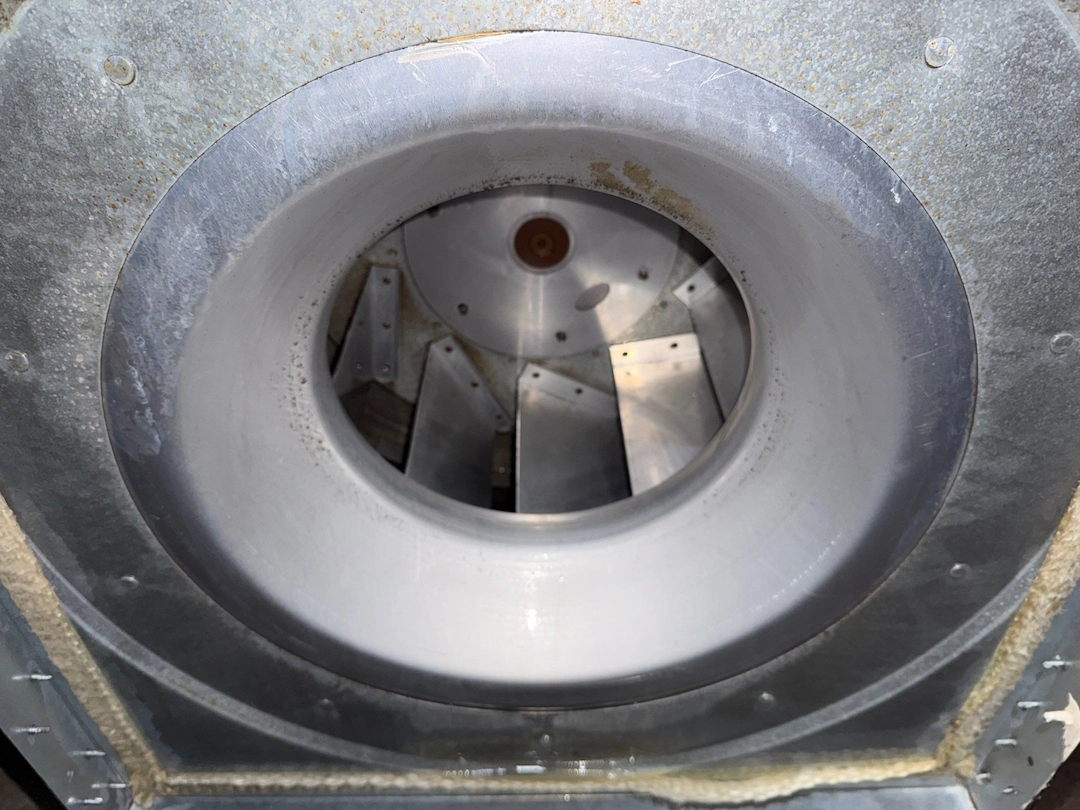
Another common error is hiring the cheapest provider. Low cost often means a superficial cleaning that does not meet the bare metal standard. You might get a clean hood filter but leave the duct untouched. That will not pass inspection. Pay for quality work and get it documented. It is an investment in your business's safety and longevity.
Final Thoughts on Fire Safety and Compliance
Fire safety in a commercial kitchen is not optional. It is a legal and ethical responsibility. NFPA 96 provides the framework, but it is up to you to follow through. A reliable hood cleaning service is your partner in that effort. They bring the expertise, the tools, and the discipline to keep your exhaust system clean and compliant. Whether you run a small diner or a large chain, the principles are the same: keep the grease out, keep the system bare metal, and keep the fire suppression system ready.
If you have not had your system inspected lately, call a professional and schedule a cleaning. Your kitchen, your staff, and your customers will be safer for it.